
Child Therapy (ages 4-11)
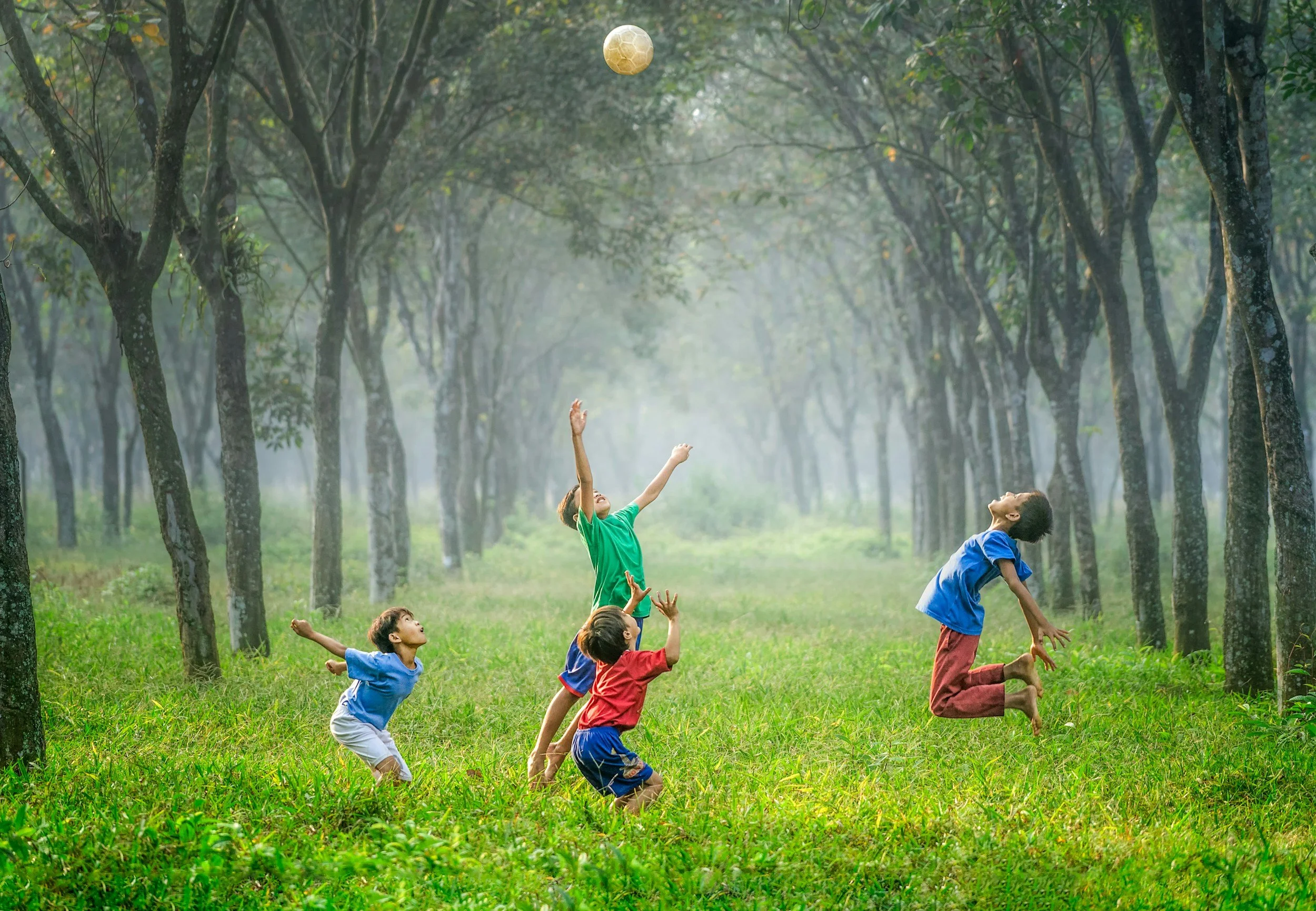
Children experience and express the world at their unique developmental level. Using non-directive play therapy approaches, children are able to safely express their inner world. Therapy involves the therapist joining children in their world join to safely and securely explore what is happening for them.
Using games, art, music, movement, role play, and more, therapy helps children adaptively cope with challenges, express their needs in a safe and healthy way, process trauma, and put language to their emotions.
The therapist also works with parents and caregivers to provide collaborative support so the home environment can best support the growth and healing of the child.
What does therapy support children with:
Trauma
Nightmares
Anxiety, including social anxiety, separation anxiety, OCD, and phobias, etc
Depression
Self-harm and suicidal ideation
Developing social skills
Feeding and eating disorders
Behavioural concerns
Anger
Autism spectrum disorder, ADHD, and other neuro-atypical presentations
Sensory difficulties
Emotional regulation
Self-esteem and confidence
Family relationships
What can teen therapy help with?
Anxiety and related disorders
Depression and mood disorders
Anger
Suicidal thoughts, actions, and self-harm
Self-esteem
Relationship conflict
Peer conflict
Cultural identity and conflict
Family conflict
Abuse
Trauma
Identity concerns
Loss of purpose and meaning
Emotion regulation
Neurodivergence
Teen Therapy (12-17)
Teenagers are faced with a uniquely stressful life; not only can school be immensely difficult, but home can also feel just as scary. Life can get very lonely, especially if you don’t have a safe space to just be.
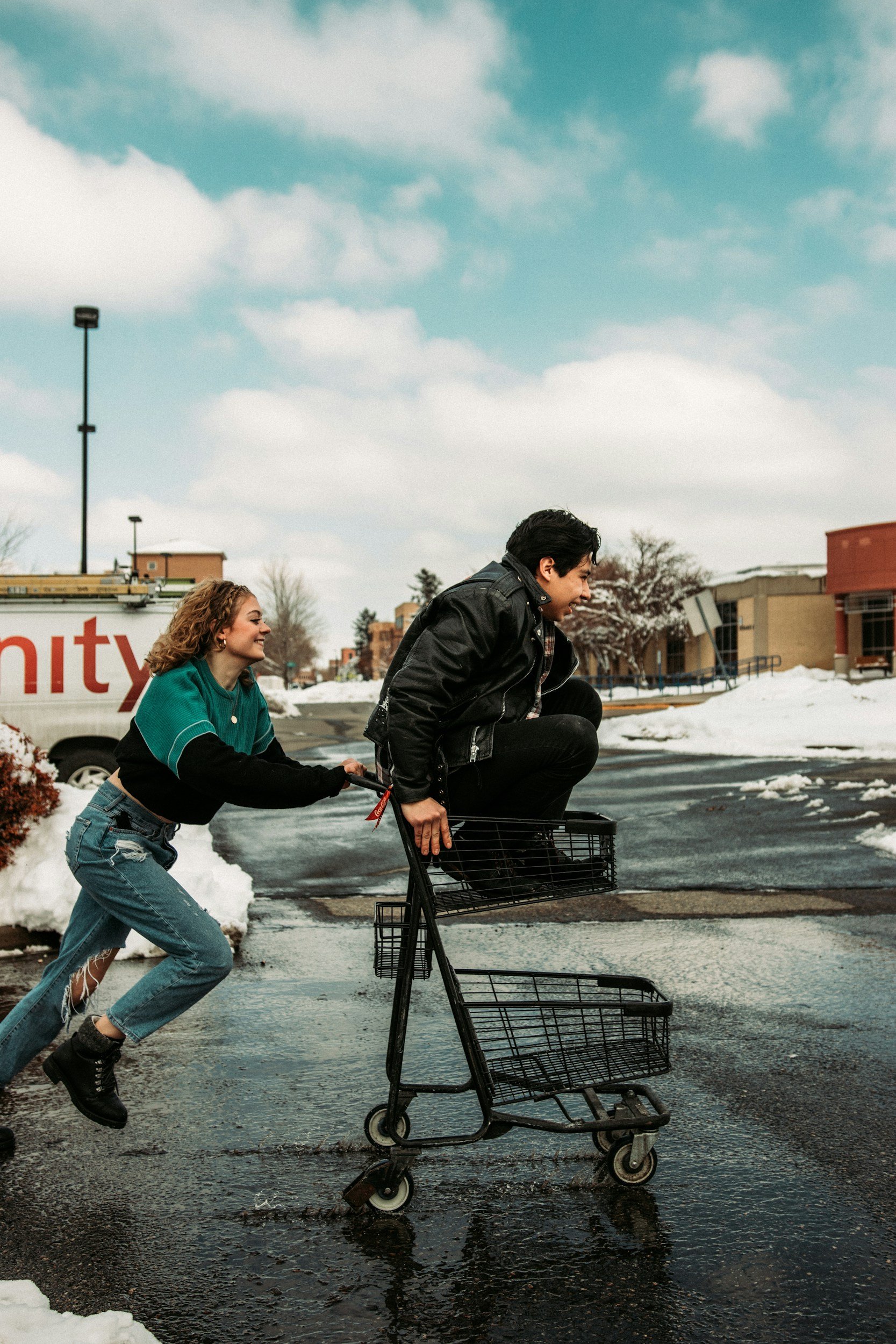
The therapy room does not have to be another chore or something you are forced into. It can look like playing sports and games, doing your hair and makeup, or even doing your homework.
Your therapist will follow your lead and focus on building a relationship that is meaningful to you. Whether you want to talk, play, make art, or sit in silence, the space is yours.